
Moving is chaotic. Most people pack first and figure out what's in each box later. There's a better way — and it starts before a single box is sealed.
Why most people get this wrong
The standard moving workflow goes like this: pull out boxes, start throwing things in, write "kitchen" or "bedroom" on the side with a marker, and hope you remember what's where when you get to the other end.
Three weeks after moving in, you're still looking for the scissors. You know you packed them. You just don't know which of the fourteen "misc" boxes they ended up in.
The mistake isn't packing. It's packing without a record.
What a home inventory does for a move
A home inventory is a list of everything you own, organized by location — room, shelf, box. When you build one before a move, a few things happen:
You know what you actually have. Before you start packing, you'll find things you forgot existed. Things you don't need to move. Things you can donate or sell before the truck arrives.
Every box is documented. Instead of "misc", each box has a list of what's inside. On the other end, you can find anything without opening everything.
You have proof for insurance. If something gets lost or damaged in transit, a photo record of your belongings is the difference between a claim that works and one that doesn't.
How to do this with BoxIndex
BoxIndex is a home inventory app built around the physical hierarchy of your home — locations, containers, items — with photos attached to each.
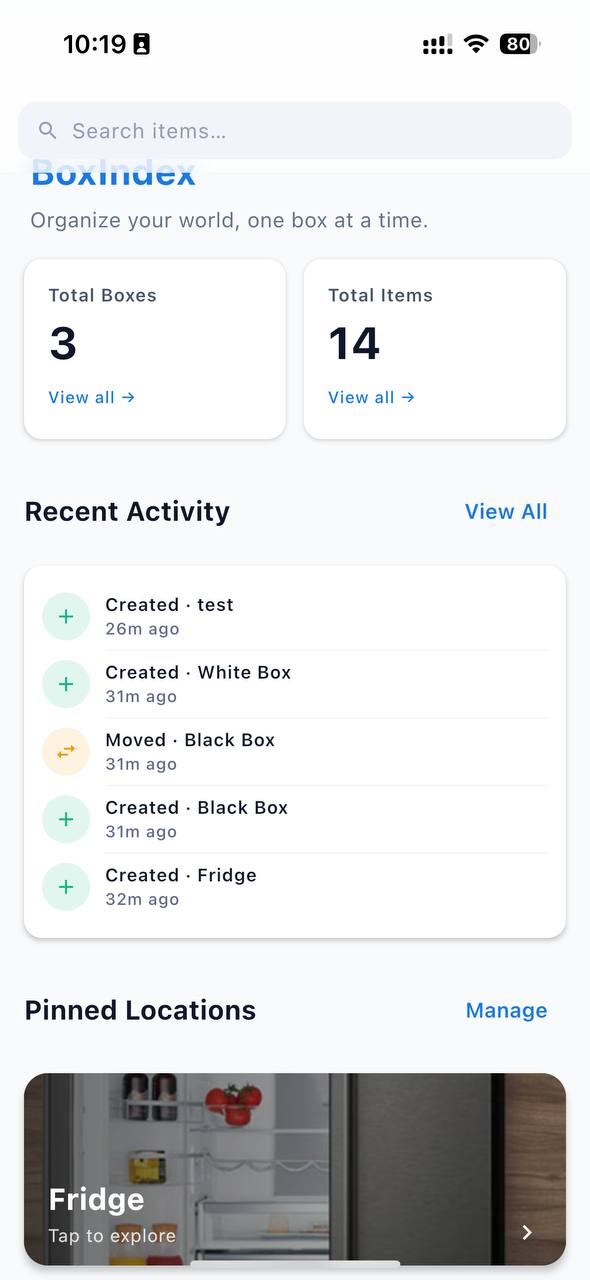
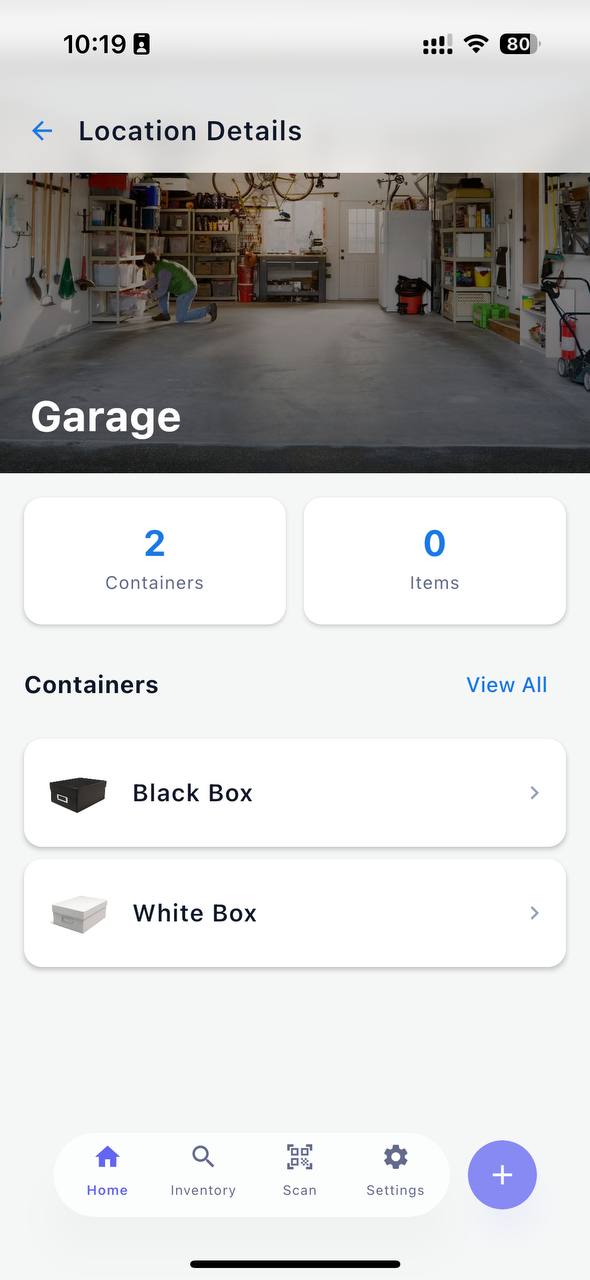
The moving workflow in practice:
Before you pack:
- Walk each room and add it as a location in BoxIndex
- Photograph items you're not sure about — things you might donate, sell, or leave behind
- Note anything valuable for insurance purposes
While packing:
- Create a container for each physical box
- Add items as you pack them — a quick photo and a name is enough
- BoxIndex generates a QR code for every container
Label your boxes the smart way: Print the QR code and tape it to the box alongside the regular label. When you're at the new place and need to find something, scan the code — your phone opens directly to that box's contents. No guessing, no opening everything.
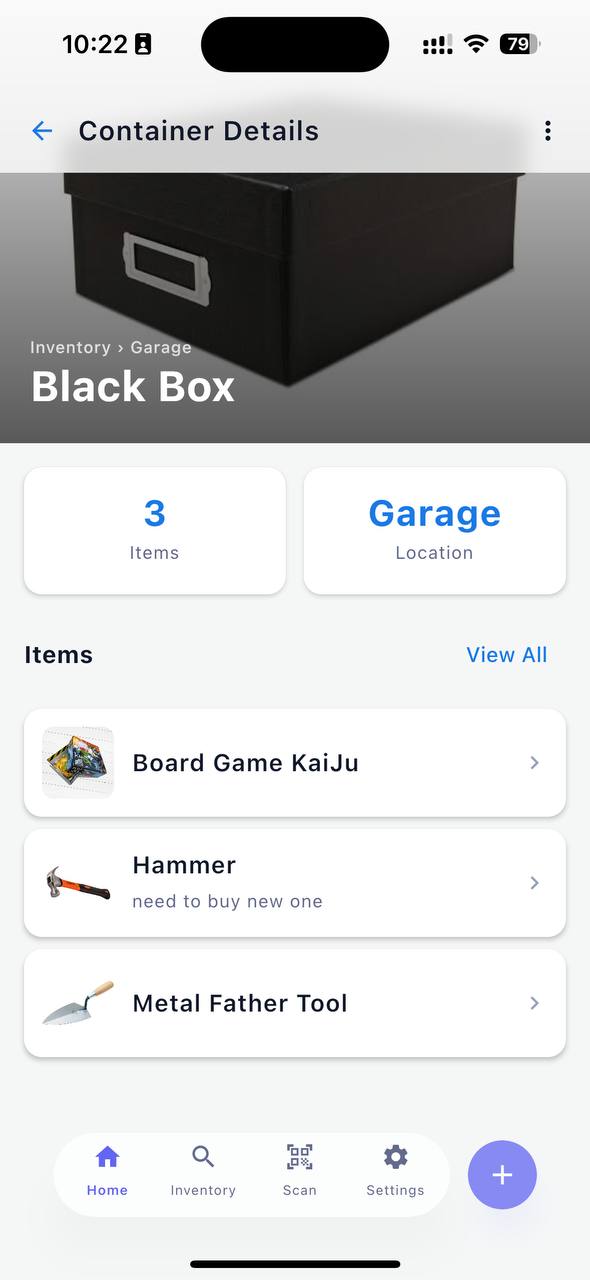
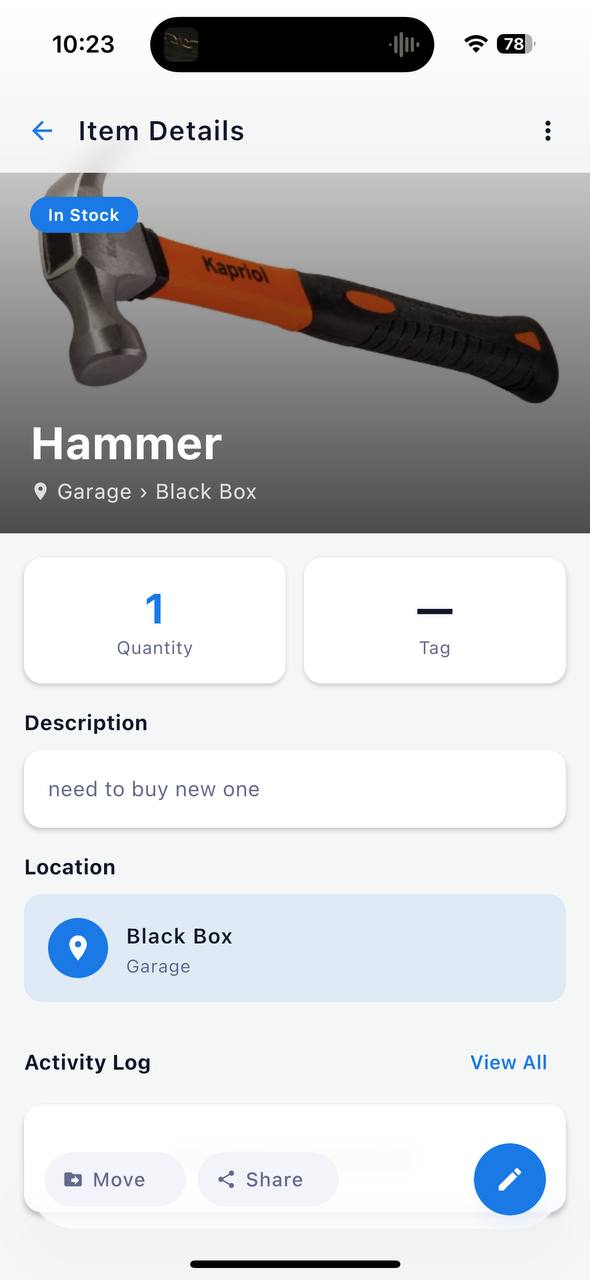
The insurance angle
Most people don't think about this until it's too late.
Removal companies have liability limits. If a box of electronics goes missing or a piece of furniture arrives broken, your claim needs documentation. A list of what was in each box, with photos, is exactly that documentation.
BoxIndex keeps photos attached to items, timestamped, organized by location. It's not a replacement for proper insurance — but it's the kind of record that makes claims much easier to resolve.
What to photograph
Not everything needs a photo — focus on:
- Electronics: serial numbers visible if possible
- Furniture: condition before the move, especially anything with existing wear
- Valuables: jewelry, art, instruments
- Anything in unmarked boxes: if it doesn't have a clear label, photograph it
A quick photo takes three seconds. Finding something you lost in a move takes weeks.
Getting started before your next move
You don't need to inventory your entire home at once. Start with one room — the hardest one, usually the storage area or the garage — and work from there.
BoxIndex is free to download, works fully offline, and never requires an account. Your data stays on your device.